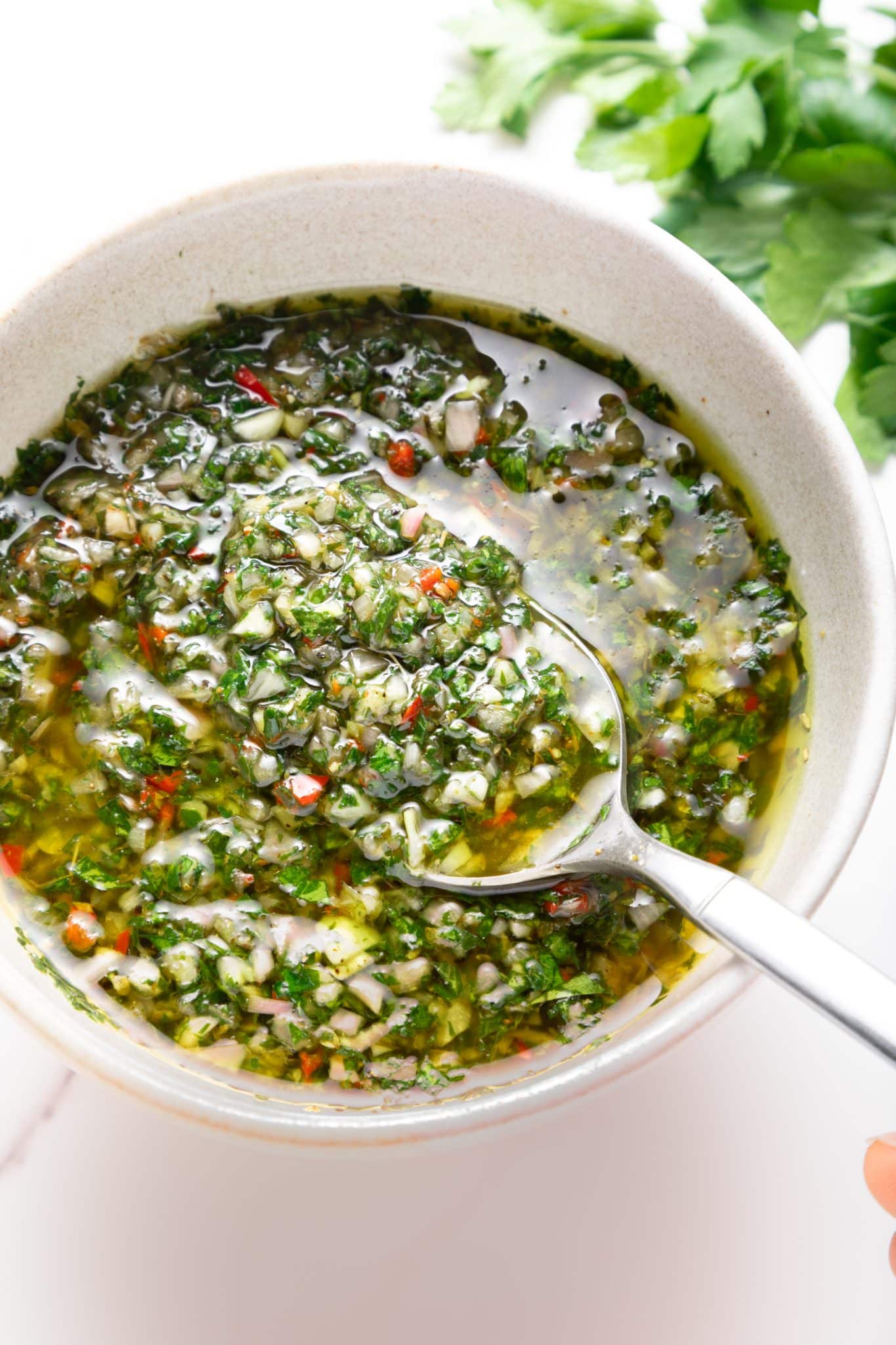
Master Authentic Chimichurri: Your Easy 7-Ingredient Recipe Guide
Transforming ordinary meals into extraordinary culinary experiences doesn't require complex techniques or obscure ingredients. Sometimes, all it takes is a vibrant, fresh sauce bursting with flavor. Enter chimichurri, the undisputed king of condiments from South America, revered for its unparalleled ability to elevate everything from grilled meats to roasted vegetables. If you've ever wondered how to make chimichurri sauce that tastes truly authentic, you're in the right place. This comprehensive guide will walk you through crafting a traditional 7-ingredient chimichurri verde, ensuring you achieve that perfect balance of herby, tangy, and robust flavors in mere minutes.
Far more than just a sauce, chimichurri is a celebration of fresh ingredients and simple preparation. Forget bottled BBQ sauces; once you learn how to make chimichurri sauce at home, you'll have a versatile, healthy, and incredibly flavorful condiment at your fingertips. It’s perfect for summer grilling, everyday cooking, or simply as an exciting dip for crusty bread.
What Exactly is Chimichurri Sauce?
Chimichurri (pronounced chee-mee-choo-ree) is an uncooked, oil-based sauce or condiment originating in Spain and now a beloved staple across South American cuisine, particularly in Argentina and Uruguay. Often likened to Italian pesto or Mexican Salsa Verde due to its fresh, herby nature, chimichurri distinguishes itself with its distinct tang and pungent garlicky kick.
While often associated primarily with Argentina and its legendary churrasco (grilled meats), chimichurri’s global appeal has grown exponentially. It’s traditionally spooned over, or used to baste, grilled beef, poultry, and fish, but its bright, zesty profile makes it suitable for countless applications. And no, despite some superficial similarities, please don't call it "Argentinian pesto" or "Argentinian ketchup" – it's a unique creation in its own right!
Why Homemade Chimichurri Reigns Supreme
While you might find pre-made versions, nothing compares to the freshness, aroma, and depth of flavor of a homemade chimichurri. Learning how to make chimichurri sauce yourself gives you complete control over the quality of your ingredients and the flavor balance. You can adjust the garlic, chili, or vinegar to suit your palate, ensuring every batch is perfectly tailored to your liking. Plus, it’s incredibly quick to prepare, taking just a few minutes from start to finish, and it keeps well in the refrigerator, allowing you to enjoy its vibrant taste for days.
The Seven Stars: Authentic Chimichurri Ingredients
The beauty of authentic chimichurri lies in its simplicity. With just seven core ingredients, you can create a condiment that packs an incredible punch. Here's what you'll need for a traditional chimichurri verde:
- Fresh Flat-Leaf Parsley: This is the backbone of chimichurri. While curly parsley can be used, flat-leaf offers a more robust, earthy flavor. You'll need a generous amount, finely chopped.
- Fresh Oregano: Essential for that authentic herby depth. While dried oregano can work in a pinch, fresh leaves provide a far superior aroma and taste.
- Garlic: The pungent heart of chimichurri. Adjust the amount to your preference – some like a gentle hint, others prefer a bold, spicy kick. Finely mincing or pressing the garlic is key.
- Red Wine Vinegar: Crucial for the characteristic tang and acidity that brightens the sauce and cuts through rich meats. It also helps preserve the fresh herbs. White wine vinegar can be a substitute, but the flavor profile will differ.
- High-Quality Extra Virgin Olive Oil: As an oil-based sauce, the quality of your olive oil truly matters. A good EVOO will lend a fruity, peppery note that complements the other ingredients. While some traditional Argentine versions use neutral oils like canola or sunflower, EVOO is widely preferred for its flavor.
- Red Pepper Flakes (or Fresh Chili): To introduce a subtle warmth and a touch of heat. The amount is entirely up to you. Fresh, finely chopped red chili (like a red jalapeño or serrano) can also be used for a fresher heat.
- Salt & Freshly Ground Black Pepper: The fundamental seasonings that tie all the flavors together. Always season to taste.
Mastering the Method: How to Make Chimichurri Sauce
Making chimichurri is wonderfully straightforward. The most important step is ensuring your herbs and aromatics are finely chopped, not puréed. This preserves the distinct textures and flavors.
Equipment Options:
- By Hand: For the most authentic texture, finely chopping everything by hand with a sharp knife is ideal. This results in a sauce with more body and less emulsification.
- Food Processor: For a quicker method, a mini food processor can be used. Be careful not to over-process; you want a coarse chop, not a paste or smoothie consistency. Pulse in short bursts until you reach the desired texture.
Step-by-Step Instructions:
- Prepare Your Herbs: Wash and thoroughly dry the flat-leaf parsley and fresh oregano. Remove any thick stems. Finely chop both herbs. Aim for a consistently fine chop without bruising the leaves too much.
- Mince Aromatics: Peel and finely mince your garlic cloves. If using fresh chili, finely chop it as well, removing seeds if you prefer less heat.
- Combine Dry Ingredients: In a medium bowl, combine the chopped parsley, oregano, minced garlic, and red pepper flakes (or fresh chili).
- Add Liquids: Pour in the red wine vinegar and then the extra virgin olive oil.
- Season: Add salt and freshly ground black pepper to taste.
- Mix and Rest: Stir all ingredients together thoroughly until well combined. For the best flavor, cover the bowl and let the chimichurri rest at room temperature for at least 15-30 minutes, or ideally, in the refrigerator for a few hours. This allows the flavors to meld and deepen.
Pro Tips for Unforgettable Chimichurri
- Quality Matters: Use the freshest herbs possible. If you grow your own, even better!
- Chop, Don't Blend to a Paste: The ideal chimichurri has a visible texture. Over-processing in a food processor will turn it into a watery, less appealing sauce. Aim for a rustic, finely chopped consistency.
- Embrace the Rest: Letting the chimichurri sit allows the herbs to soften slightly and their flavors to infuse beautifully with the oil and vinegar. Don't skip this step!
- Taste and Adjust: Before serving, always taste your chimichurri. Does it need more salt? A touch more vinegar for zing? A bit more chili for heat? Adjust to your preference.
- Storage: Store your homemade chimichurri in an airtight container in the refrigerator for up to 5-7 days. The flavors will continue to develop over time.
Beyond the Bowl: Creative Ways to Enjoy Your Chimichurri
The beauty of chimichurri lies in its incredible versatility. While it's a quintessential accompaniment to grilled meats, don't limit its potential:
- Grilled Meats: Its classic pairing. Drizzle generously over steak, chicken, pork, or lamb fresh off the grill.
- Seafood: A vibrant partner for baked salmon, grilled shrimp, or pan-seared scallops.
- Roasted Vegetables: Spoon over roasted potatoes, asparagus, bell peppers, or cauliflower for an instant flavor boost.
- Eggs: A dollop on scrambled eggs, omelets, or fried eggs makes for a gourmet breakfast.
- Sandwiches & Wraps: Spread it on your favorite sandwich instead of mayonnaise for a zesty kick.
- Marinade: Use it as a marinade for poultry or tougher cuts of meat before grilling.
- Salad Dressing: Thin it out slightly with a little extra oil or water for a unique salad dressing.
- Pizza & Pasta: Drizzle over a fresh-baked pizza or toss with warm pasta for a quick meal.
- Crusty Bread: Simply dip warm, crusty bread into the sauce – a dangerously delicious snack!
Exploring Chimichurri's Versatility: Beyond Parsley
While parsley chimichurri (chimichurri verde) is the classic, the culinary world has embraced variations that are equally delightful. You can experiment by substituting or combining herbs:
- Cilantro Chimichurri: For those who love the bright, citrusy notes of cilantro, an all-cilantro chimichurri is a fantastic twist.
- Mint Chimichurri: Mint adds a refreshing, cooling element, particularly wonderful with lamb or fish.
- Red Chimichurri (Chimichurri Roja): This variation often includes roasted red peppers, tomatoes, and sometimes smoked paprika, offering a deeper, richer flavor profile.
To dive deeper into these exciting alternatives and explore even more creative chimichurri recipes, check out our article on Chimichurri Beyond Parsley: Mint, Cilantro & More.
Conclusion
Learning how to make chimichurri sauce is a culinary skill that promises immense rewards. This simple 7-ingredient recipe unlocks a world of vibrant flavors, transforming everyday dishes into something truly special. With its fresh herbs, pungent garlic, and zesty vinegar, homemade chimichurri is a versatile condiment that deserves a permanent spot in your kitchen. So grab your herbs, sharpen your knife, and get ready to master this authentic South American sensation – your taste buds will thank you!
