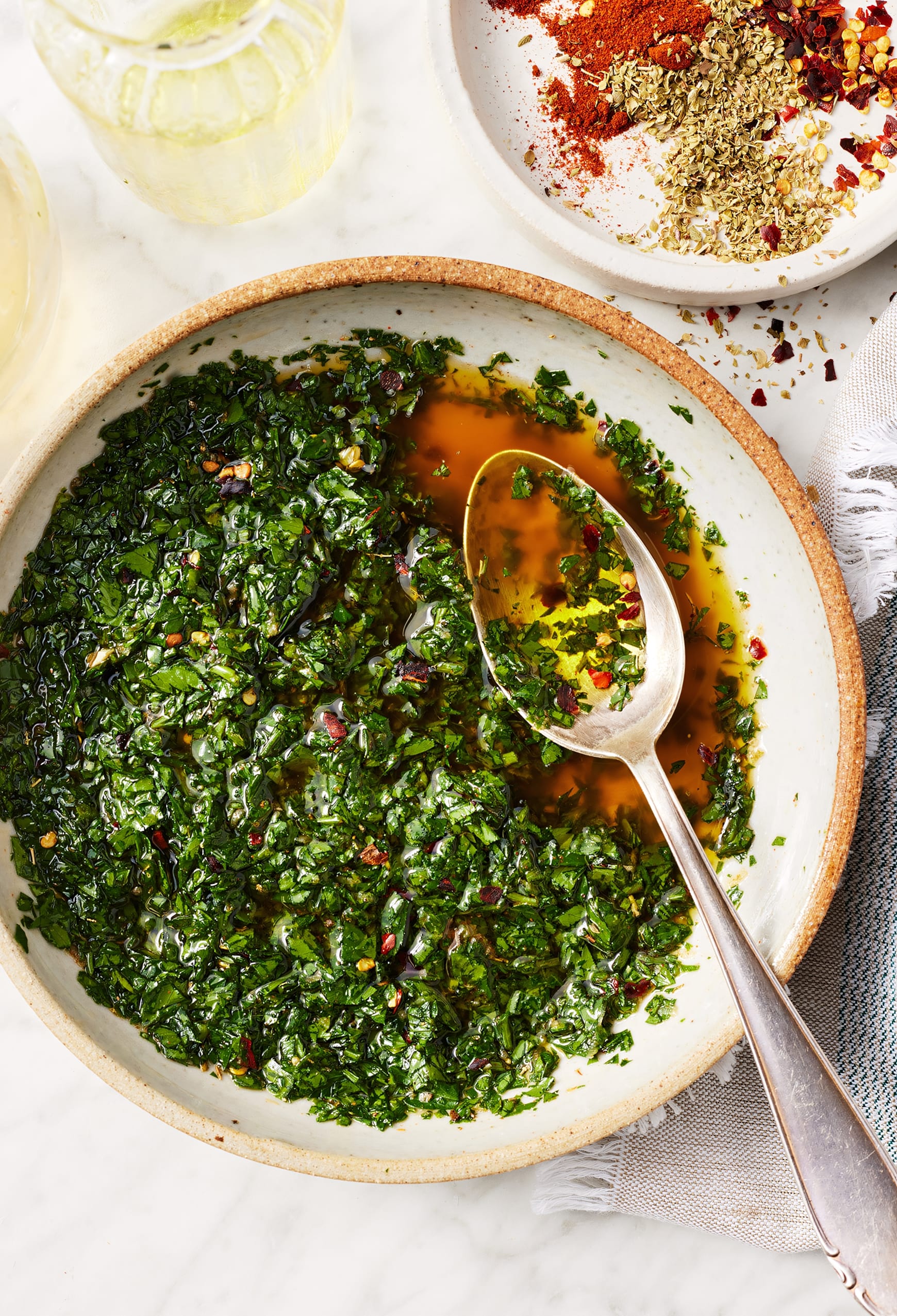
Imagine a vibrant, herbaceous green sauce, bursting with garlicky zest and a tangy kick, transforming any grilled dish into an unforgettable culinary experience. This isn't just a fantasy; it's the reality of Argentinian Chimichurri. More than just a condiment, chimichurri is a staple of South American cuisine, a fresh, uncooked oil-based sauce that elevates everything it touches. If you've ever wondered how to make chimichurri sauce that rivals the best steakhouses, you're in the right place. Get ready to ditch the heavy barbecue sauces and embrace the bright, robust flavors of this incredible Argentine classic.
Unveiling Argentinian Chimichurri: A Culinary Journey
At its heart, chimichurri (pronounced chee-mee-choo-ree) is an uncooked, herby, oil-based sauce that has become synonymous with the asado, Argentina's famed barbecue tradition. While its precise origins are debated, with some attributing it to Spanish influences and others to a British beef merchant named "Jimmy Curry," its spiritual home is undoubtedly Argentina, Uruguay, and Paraguay. Here, it plays a vital role, not just as a finishing sauce for grilled meats like steak, poultry, and fish, but often as a marinade or basting liquid, infusing food with its distinctive character.
Often compared to Italian pesto or Mexican salsa verde due to its fresh, green appearance and versatile nature, chimichurri stands proudly on its own. Its unique flavor profile is a complex dance of fresh herbs, pungent garlic, bright acidity, and a subtle earthiness. It's zesty, robust, and incredibly fresh, providing a powerful counterpoint to the rich, smoky flavors of grilled meat. However, a word of caution from any true Argentinian: do not, under any circumstances, refer to it as "Argentinian pesto" or "Argentinian ketchup." Chimichurri is a legend in its own right, deserving of its unique title and respect.
Mastering the Classic: How to Make Chimichurri Sauce
The beauty of authentic Argentinian chimichurri lies in its simplicity and the quality of its few, fresh ingredients. Learning how to make chimichurri sauce is an incredibly straightforward process, requiring just a few minutes of preparation and a handful of common kitchen staples. The result is a vibrant, flavorful sauce that will quickly become your go-to for enhancing any meal.
The 7 Essential Ingredients for Authentic Chimichurri Verde
The "verde" (green) version of chimichurri is the most recognized and adored. Here's what you'll need:
- Fresh Parsley: This is the backbone of chimichurri. Flat-leaf parsley (Italian parsley) is generally preferred for its bolder flavor, but curly parsley also works. Always choose fresh, vibrant bunches for the best results.
- Oregano: Fresh oregano offers an aromatic depth that dried can't quite match. However, if fresh isn't available, a good quality dried oregano can be used in a smaller quantity (typically 1 part dried to 3 parts fresh).
- Garlic: The pungent heart of the sauce. Don't be shy with garlic; its robust flavor is crucial. You can adjust the quantity to your personal preference, but typically, 3-4 cloves are a good starting point.
- High-Quality Olive Oil: Extra Virgin Olive Oil (EVOO) is highly recommended for its fruity notes and richness. While some traditional Argentine versions might use a more neutral oil like canola or sunflower, EVOO adds a layer of complexity that enhances the overall flavor.
- Red Wine Vinegar: This is the essential acidic component, providing the zesty tang that balances the richness of the oil and the intensity of the herbs and garlic. While white wine vinegar can be substituted, red wine vinegar offers a deeper, more traditional flavor.
- Salt and Freshly Ground Black Pepper: Crucial for seasoning and bringing out all the other flavors.
- Optional: Red Pepper Flakes: For those who appreciate a little heat, a pinch of red pepper flakes adds a delightful warmth and subtle spice without overpowering the other ingredients.
The Preparation Process: Simple Steps to Zesty Perfection
The magic of chimichurri truly comes alive with a simple preparation method:
- Chop the Herbs and Garlic: This is perhaps the most critical step. For an authentic texture, finely chop the parsley and oregano by hand. The goal is a rustic, slightly coarse consistency, not a smooth paste. For the garlic, mince it very finely. While a food processor can be used, be careful not to over-process. Pulse it gently until the herbs are finely chopped, avoiding a puréed consistency, which can release too much water from the herbs and result in a less vibrant flavor.
- Combine Dry Ingredients: In a bowl, combine the chopped parsley, oregano, minced garlic, red pepper flakes (if using), salt, and pepper.
- Add Wet Ingredients: Pour in the red wine vinegar and then slowly drizzle in the olive oil, stirring constantly to emulsify the sauce slightly.
- Mix and Rest: Stir everything together thoroughly. It's vital to let the chimichurri rest for at least 15-30 minutes at room temperature before serving. This allows the flavors to meld and deepen, creating a more harmonious and robust sauce. For an even richer flavor, prepare it a few hours in advance or even overnight, storing it in the refrigerator.
For a detailed, step-by-step recipe with precise measurements, explore our guide on Master Authentic Chimichurri: Easy 7-Ingredient Recipe.
Beyond Tradition: Exciting Chimichurri Variations
While the classic parsley-based chimichurri verde is undeniably delicious, the beauty of this sauce lies in its adaptability. Once you understand the core components, you can easily experiment with different herbs and spices to create exciting variations that suit your palate and the dishes you're serving.
- Cilantro Chimichurri: For lovers of cilantro, this variation offers a brighter, more citrusy profile. Simply substitute some or all of the parsley with fresh cilantro. It pairs wonderfully with fish tacos, grilled chicken, or even scrambled eggs.
- Mint Chimichurri: A refreshing twist, mint chimichurri is particularly fantastic with lamb, but also works beautifully with pork or even as a unique dressing for a fruit salad. Combine mint with parsley for a balanced flavor, or go all-in with mint for a bold statement.
- Chimichurri Roja (Red Chimichurri): This lesser-known but equally delicious version gets its color and deeper flavor from additions like paprika (sweet or smoked), roasted red peppers, or even a touch of tomato paste. It often features less vinegar and more olive oil, resulting in a slightly richer, earthier sauce.
- Adding Citrus: While not traditionally authentic for the classic verde, a squeeze of fresh lemon or lime juice can add an extra layer of brightness, particularly to fish or chicken dishes. Some recipes even include a little lemon zest for a fragrant lift.
- Other Aromatics: Don't hesitate to experiment with finely chopped shallots or red onion for an extra punch of flavor. A tiny bit of fresh ginger can also add an unexpected, delightful zing.
To dive deeper into the world of creative chimichurri blends, discover more inspiration in our article Chimichurri Beyond Parsley: Mint, Cilantro & More.
Versatility Unleashed: More Ways to Enjoy Chimichurri
The magic of chimichurri extends far beyond its traditional pairing with grilled steak. Its vibrant, zesty, and robust flavor makes it an incredibly versatile condiment that can transform a wide array of dishes. Once you have a batch ready, you'll find yourself reaching for it constantly.
- The Ultimate Steak Companion: Of course, its primary role is as a "sidekick for churrasco." Spoon it generously over perfectly grilled skirt steak, flank steak, or ribeye. The fresh herbs and tang cut through the richness of the meat beautifully.
- Poultry and Fish Perfection: Chimichurri isn't just for red meat. Drizzle it over grilled chicken breasts, roasted chicken thighs, or baked salmon and white fish. It adds a fresh, bright flavor that complements the lighter proteins.
- Roasted Vegetables' Best Friend: Toss roasted potatoes, asparagus, broccoli, or bell peppers with a spoonful of chimichurri after they come out of the oven for an instant flavor boost.
- Marinade Marvel: Use chimichurri as a marinade for chicken, pork, or even firm tofu before grilling or roasting. The acidity in the vinegar helps tenderize, and the herbs infuse deep flavor.
- Beyond the Main Course:
- Eggs: A dollop on scrambled eggs, an omelet, or a fried egg makes for an incredibly flavorful breakfast or brunch.
- Sandwiches and Wraps: Spread it on your favorite sandwich instead of mayonnaise for a fresh, zesty kick.
- Crusty Bread: Dunk warm, crusty bread directly into the sauce. (We won't tell if you "test" it this way while waiting for the grill!)
- Soups and Stews: Stir a spoonful into a vegetable soup or lentil stew just before serving for an herbaceous finish.
- Salad Dressing: Thin it out slightly with a bit more olive oil and use it as a vibrant salad dressing.
Making a larger batch of chimichurri is always a good idea. Stored in an airtight container in the refrigerator, it will keep for up to two weeks, with its flavors continuing to meld and develop over time. Just remember to give it a good stir before each use.
Tips for the Perfect Chimichurri
- Go Fresh: The quality of your herbs makes all the difference. Always opt for fresh parsley and oregano for the most vibrant flavor.
- Chop, Don't Blend: While a food processor is quick, be cautious. Over-blending will turn your herbs into a paste and can give the sauce an undesirable grassy flavor. Hand-chopping gives that perfect rustic texture.
- Let it Mingle: Allow your chimichurri to rest for at least 15-30 minutes before serving. This crucial step allows the flavors to truly meld and deepen. Overnight in the fridge is even better!
- Taste and Adjust: Like any great recipe, chimichurri benefits from tasting as you go. Adjust the salt, pepper, garlic, or even a touch more vinegar to suit your preference.
- Storage Savvy: Store any leftover chimichurri in an airtight container in the refrigerator. It will typically last for 1-2 weeks. A thin layer of olive oil on top can help preserve its color and freshness.
Embracing the vibrant world of Argentinian Chimichurri is a rewarding culinary adventure. Learning how to make chimichurri sauce opens up a realm of fresh, zesty possibilities, transforming ordinary meals into extraordinary experiences. Whether you stick to the authentic verde, experiment with cilantro or mint, or explore the depths of chimichurri roja, this versatile sauce promises to infuse your dishes with an irresistible freshness and robust flavor. So, gather your fresh herbs, mince that garlic, and get ready to add a splash of South American sunshine to your table.
