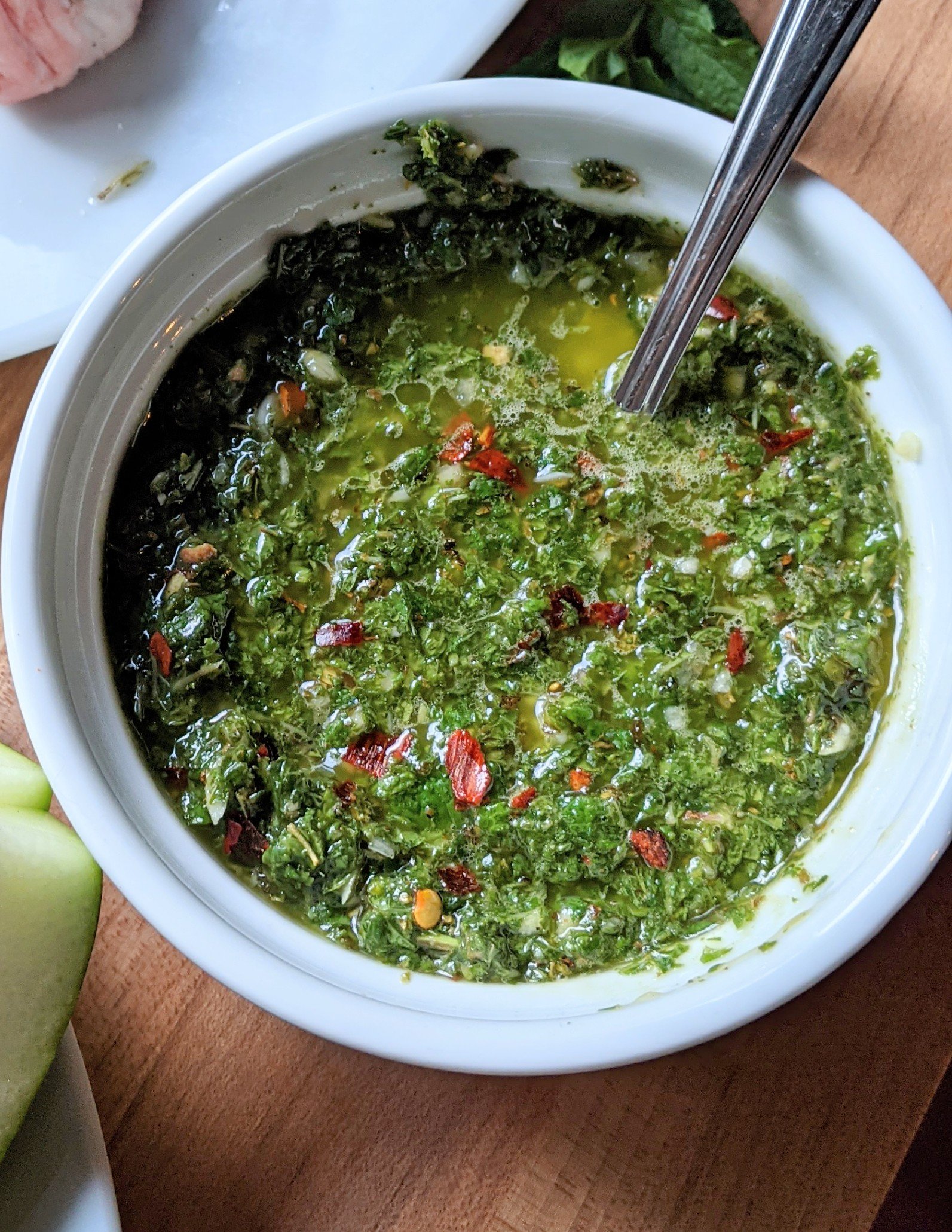
Chimichurri Beyond Parsley: Exploring Vibrant Herb Variations
Few condiments possess the transformative power of chimichurri. This vibrant, uncooked herby sauce, a staple in Argentinian, Uruguayan, and Paraguayan cuisine, has the remarkable ability to elevate everything from a humble piece of grilled meat to a simple roasted vegetable. While the classic parsley-based "chimichurri verde" reigns supreme, the world of chimichurri is far broader and more exciting than many realize. Imagine the bright, zesty kick of cilantro chimichurri, or the refreshing burst of mint chimichurri – new flavor profiles ready to revolutionize your cooking.
Learning
how to make chimichurri sauce is surprisingly simple, requiring just a handful of fresh ingredients and a few minutes of your time. Forget store-bought alternatives; homemade chimichurri offers a depth of flavor – herby, earthy, tangy, and robust – that is simply unmatched. In this comprehensive guide, we'll dive into the authentic roots of this beloved sauce, then boldly venture into thrilling variations that will inspire you to rethink your herb garden.
What is Chimichurri Sauce, Anyway?
At its heart, chimichurri is an oil-based sauce or condiment, often likened to an Argentinian pesto or Mexican salsa verde – though, a word of caution: calling it "Argentinian pesto" could earn you some raised eyebrows from purists! Pronounced "chee-mee-choo-ree," this sauce is celebrated for its fresh, vibrant flavor profile. Its origins trace back to Spain, but it truly found its home and fame in South America, particularly as the quintessential accompaniment to grilled meats (
churrasco).
Traditionally, chimichurri is spooned over succulent cuts of steak, chicken, or fish, acting as both a tenderizer and a flavor enhancer. Beyond meats, its versatility shines as a marinade, a vibrant dressing for salads, or even a dipping sauce for crusty bread while you wait for your main course. There's also a "chimichurri roja," a red version often incorporating red bell peppers or paprika, but the green "verde" varieties remain the most popular and foundational.
The Classic: Mastering Authentic Parsley Chimichurri
Before we explore new frontiers, it's essential to understand the foundation. An authentic Argentinian chimichurri recipe, often called parsley chimichurri, is built on a simple yet powerful combination of ingredients that creates a perfectly balanced, zesty, and aromatic sauce.
The core components for learning
how to make chimichurri sauce the traditional way include:
*
Parsley: Flat-leaf parsley (Italian parsley) is preferred for its robust flavor, though curly parsley can also be used. It's the star herb, providing a fresh, slightly peppery base.
*
Oregano: Fresh oregano offers a more pungent, earthy note, though dried oregano is an acceptable substitute.
*
Garlic: Generous amounts of fresh garlic are crucial for that signature pungent kick. Adjust to your personal preference – some like it mild, others truly potent!
*
Oil: High-quality extra virgin olive oil is often recommended for its rich, fruity notes. However, traditionally, a more neutral oil like canola or sunflower oil was common in Argentina.
*
Red Wine Vinegar: This provides the essential tangy, acidic balance that cuts through the richness of meats. While white wine vinegar can be substituted, it will alter the classic flavor profile.
*
Seasoning: Salt and freshly ground black pepper are fundamental.
*
Chili: Fresh, finely chopped chili (like a red jalapeño or aji) or a pinch of red pepper flakes adds a subtle warmth and a touch of heat, which is optional but highly recommended.
The beauty of the classic recipe lies in its simplicity, allowing the fresh, high-quality ingredients to shine. For a deep dive into crafting this perfect traditional sauce, check out our guide on
Master Authentic Chimichurri: Easy 7-Ingredient Recipe. You’ll quickly understand why
Argentinian Chimichurri: The Zesty Sauce for Grilled Meats is considered a game-changer.
Beyond the Verde: Exciting Chimichurri Variations
While parsley chimichurri is undoubtedly delicious, the real magic of this sauce lies in its adaptability. Once you master the basic technique for
how to make chimichurri sauce, you're empowered to experiment with a spectrum of herbs, creating bespoke sauces that perfectly complement different dishes.
Here are two popular and incredibly flavorful variations that go "beyond parsley":
1. Cilantro Chimichurri
For those who adore the bright, citrusy, and slightly peppery notes of cilantro, this variation is a must-try. Swapping out some or all of the parsley for fresh cilantro transforms the sauce into a vibrant, almost Mexican-inspired condiment.
*
Flavor Profile: Lighter, more aromatic, with a distinct lime-like zest.
*
Best Pairings: Excellent with grilled chicken, fish tacos, shrimp, roasted sweet potatoes, and black bean burgers. It also makes a fantastic dressing for grain bowls or a topping for avocado toast.
*
Tips: Consider adding a squeeze of fresh lime juice and a touch of zest to enhance the cilantro's natural brightness. A small amount of chopped red onion or shallot can also add another layer of flavor.
2. Mint Chimichurri
A truly refreshing twist, mint chimichurri introduces a cooling, aromatic element that pairs particularly well with specific proteins and brings an unexpected lightness.
*
Flavor Profile: Bright, fresh, and slightly sweet, with a pronounced cooling sensation.
*
Best Pairings: Lamb (a classic combination!), pork tenderloin, grilled halloumi, fresh garden salads, or even certain white fish. It also works wonderfully as a topping for fresh fruit salads for a surprising savory-sweet element.
*
Tips: Mint can be quite potent, so consider using a ratio of about 2:1 parsley to mint for a balanced flavor, or go all-in with mint for a truly bold experience. A hint of lemon zest can further brighten this version.
Other Herb Explorations:
Don't stop there! Once you're comfortable with the core technique, feel free to experiment with other herbs:
*
Basil: For an Italian-esque chimichurri that pairs well with tomatoes, mozzarella, and chicken.
*
Chives or Scallions: Adds a delicate oniony freshness.
*
Dill: A unique twist that would complement salmon or other rich fish beautifully.
*
Mixed Herbs: Don't be afraid to combine! A blend of parsley, cilantro, and a touch of mint or basil can create a complex, multi-layered sauce.
When experimenting, remember the golden rule: maintain the balance of fresh herbs, pungent aromatics (garlic), tangy acid (vinegar), and rich oil.
How to Make Chimichurri Sauce: A Step-by-Step Guide
Regardless of your chosen herb blend, the process for
how to make chimichurri sauce remains largely the same. It's a quick, two-step affair that yields maximum flavor.
1.
Prepare Your Herbs and Aromatics: Wash and thoroughly dry your herbs. Finely chop the parsley (or your chosen herbs), oregano, and garlic. The traditional method favors hand-chopping for a rustic texture, but a food processor can speed things up considerably. If using a food processor, be careful not to over-process; you want a finely chopped mixture, not a smooth paste. Pulse in short bursts to maintain texture. Add any finely chopped fresh chili or red pepper flakes at this stage.
2.
Combine and Emulsify: In a bowl, combine all your chopped herbs, garlic, and chili. Add the salt and pepper. Slowly drizzle in the red wine vinegar, stirring well to combine. Finally, gradually add the olive oil, mixing until everything is well incorporated. The sauce should be loose and fluid, with the herbs suspended in the oil and vinegar emulsion.
Tips for the Perfect Batch & Storage
*
Quality Ingredients are Key: Since chimichurri is uncooked, the freshness and quality of your herbs, garlic, and olive oil will profoundly impact the final taste. Opt for the freshest possible produce.
*
Let it Mingle: While delicious immediately, chimichurri truly shines after the flavors have had time to meld. Allow it to sit at room temperature for at least 30 minutes before serving. Ideally, prepare it an hour or two in advance.
*
Taste and Adjust: Always taste your chimichurri before serving. Does it need more salt? More tang? More heat? Adjust the vinegar, chili, or salt to suit your palate.
*
Storage: Store homemade chimichurri in an airtight container in the refrigerator for up to 1-2 weeks. To maintain freshness and prevent oxidation, pour a thin layer of olive oil over the top before sealing. This acts as a barrier, keeping the herbs vibrant.
Serving Suggestions: Unleash Your Chimichurri's Potential
The beauty of chimichurri lies in its incredible versatility. While it's a non-negotiable partner for grilled meats, don't limit its potential:
*
Proteins: Steak (flank, skirt, ribeye), grilled chicken, roasted pork, baked salmon, pan-seared scallops, or grilled shrimp.
*
Vegetables: Drizzle over roasted potatoes, grilled asparagus, corn on the cob, roasted carrots, or bell peppers.
*
Carbs & Grains: Stir into rice or quinoa bowls, spread on sandwiches or wraps, or simply use as a dip for crusty bread.
*
Breakfast & Brunch: A dollop over scrambled eggs, omelets, or breakfast burritos.
*
Pizza & Flatbreads: Use as a base or drizzle on top for a fresh, zesty kick.
Conclusion
Learning
how to make chimichurri sauce opens up a world of culinary possibilities. From the robust simplicity of the classic parsley version to the bright and adventurous notes of cilantro or mint variations, this easy-to-prepare condiment proves that great flavor doesn't have to be complicated. So, gather your freshest herbs, experiment with your favorite combinations, and prepare to transform everyday meals into extraordinary dining experiences with this vibrant, zesty, and utterly addictive sauce. Your taste buds will thank you!